Table of Content
There is some interest in a new set of medications called IL-1 blockers which may also reduce recurrent episodes. One of the things that is very helpful to make the diagnosis of pericarditis is to listen to the heart is the presence of a pericardial friction rub. The absence of a rub does not exclude the possibility of pericarditis but the presence makes it very likely that that is what you are dealing with.
Symptoms are a sign that inflammation and damage has spread to the heart and is interfering with normal circulation. Your body treats myocarditis like an ongoing infection, causing your immune system to produce antibodies to fight the infection that wind up damaging your heart. This can cause scar tissue to form that stops the heart from pumping properly. If you have constrictive pericarditis, you may need to have some of your pericardium removed.
How to diagnose constrictive pericarditis?
Antiviral herbs can help your body to protect itself against infections that may contribute to your health problems. That’s why wormwood makes such a great home remedy for pericarditis. It helps to attack viral pathogens and reduce the risk of inflammation, improving the health of your cardiovascular system. If you have mild myocarditis symptoms, you may start with your primary care provider. If symptoms are severe, you may first be seen by an emergency room care provider. You'll likely be referred to a doctor trained in heart conditions and possibly a doctor trained in infectious disease.
Arrhythmias will usually resolve once inflammation levels decrease. Rest and over-the-counter pain medications, taken as instructed by your healthcare professional, may be all that's required for mild pericarditis. A sterile needle or a tiny tube is used to extract and drain excess fluid from the pericardial chamber during this treatment. Echocardiography can reveal how effectively the heart pumps blood and whether fluid has accumulated in the tissue surrounding the heart. A doctor would usually examine you and ask questions about your symptoms and medical history to diagnose pericarditis. Stay away from people who have a viral or flu-like sickness.
How do I take care of myself?
Vitamin C is a natural immune booster and hence citrus fruits like oranges should be added in large quantities to the diet. Apart from this there is a lot vitamin C in berries, papaya, strawberries etc. So, you must consume a bowl of these fruits everyday to get rid of this problem.

When the two layers of the sac enclosing the heart brush against each other, a noise is produced. Lupus and rheumatoid arthritis are examples of inflammatory diseases that can lead to pericarditis. Chronic constrictive pericarditis is characterized by a gradual onset and a duration of more than three months. The symptoms of pericarditis vary depending on the type. It is classified into several types based on the pattern of the symptoms and the duration of symptoms. Remembr, while these remedies will certainly help relieve the painful symptoms of pericorinitis and keep you up and about, you mustn’t stall a visit to the dentist.
What questions should I ask my doctor?
Your dentist may clean out accumulated debris from the area and prescribe oral antibiotics and an antibacterial mouthwash as well as painkillers. In some cases, the flap of gum tissue or your wisdom tooth may need to be removed. Chronic constrictive pericarditis usually develops slowly and lasts longer than three months. Your provider may also talk to you about treatment with steroids or other medications, such as azathioprine (Azasan® or Imuran®), IV human immunoglobulins or anakinra or rilonacept.

As a bonus, the act of swishing water around in your mouth can dislodge and help rinse out food particles and other debris. Swelling in the face, jaw spasms, and swollen lymph nodes can be indicative of a more critical, spreading infection which can impair your ability to swallow and breathe. The specific symptoms depend on the type of pericarditis. Pericarditis is grouped into different categories, according to the pattern of symptoms and how long symptoms last. Chest X-ray to see the size of your heart and any fluid in your lungs.
From Mayo Clinic to your inbox
Avoid close contact with anyone who has a viral or bacterial infection, such as the flu. Protect other people by staying home from work or school if you yourself are infected. Your doctor might also recommend resting, avoiding any strenuous activity, and eating a low-salt diet. After having myocarditis, you’ll need to recover for a period of time and ease back into physical activity slowly. If it’s been detected that someone has abnormal heart rhythms that require intervention, then they might need to take certain medications and use a pacemaker.
Vitamins E and C have antioxidant properties to support good heart health. They also help to support your immune system and make it easier for your body to heal. The entire pericardium may need to be removed if the sac surrounding the heart is permanently rigid due to constrictive pericarditis.
Someone might display certain symptoms, or they might only receive a diagnosis after an electrocardiogram or blood test reveals signs of heart injury or inflammation. The most common causes of myocarditis — infections and autoimmune diseases — cannot always be prevented. First, your doctor may advise you to rest until you feel better and have no fever.
Probiotics are beneficial for gut health and your immune system. Omega 3 fatty acids have anti-inflammatory effects and are beneficial for cardiovascular health. Eliminate sources of trans-fatty acids in your diet, such as fast food and processed foods. Avoid refined foods like white breads, white rice, pasta and refined sugar.
The naturally occurring compound called allicin, that is present in garlic in abundance, can help reduce the inflammation in the pericardium and provide relief from pain. Its antimicrobial properties will help heal any infection that is causing pericarditis. Have at least 4-5 raw garlic cloves daily if you are suffering from pericarditis.
It can sometimes take several weeks for symptoms of pericarditis to develop after bypass surgery. Garlic helps to boost your immune system and protect you from infections. As such they help your body to heal from a pericarditis diagnosis and restore the health of your cardiovascular system.
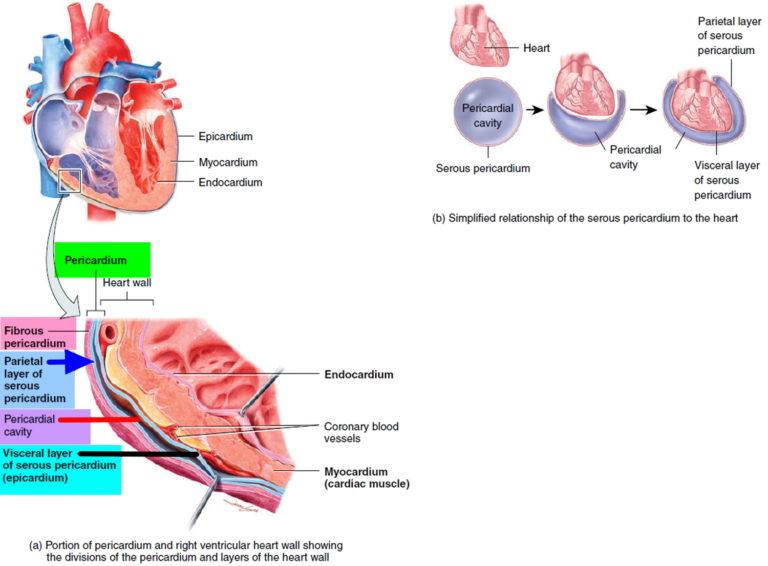
Both can give you chest pain, but with pericarditis, your chest pain should feel better when you sit up and lean forward. Pericarditis is an inflammation of the pericardium, the thin, two-layered, fluid-filled sac that covers the outer surface of your heart. Pericarditis usually develops suddenly and may last from weeks up to several months. The condition usually clears up after three months, but sometimes attacks can come and go for years. Sometimes there is extra fluid in the space between the pericardial layers, which is called pericardial effusion.




No comments:
Post a Comment